


A new study in Lancet showed that it is safe for HIV + people to be living kidney donors. People living with HIV (PLWH) have long faced stigma and discrimination. The new report shows that donors do not face a higher risk of end-stage kidney disease. This was a concern because PLWH have a higher likelihood of kidney disease from their HIV itself, and antiretroviral (anti-HIV) medicines carry kidney and liver toxicities.
At two to four years assessment following donation, three kidney donors who were followed showed only a slight decrease in kidney function, comparable to those in people without HIV.
The HIV Organ Policy Equity (HOPE) Act was enacted in 2013. For the first time, it allowed PLWH to donate organs to other HIV-positive patients. However, this is only allowed as part of research studies.
More than 106,000 people are on transplant lists in the U.S.; 92,000 are awaiting a kidney. About 6,000 people die each year waiting for a kidney. HIV-positive patients are less likely to receive transplants. They must have an undetectable viral load and a CD4 count over 200 even be considered for the surgery. End-stage kidney disease is three times more likely in black patients than white, especially with HIV. At the same time, being black is a risk factor for not being wait-listed for a transplant.
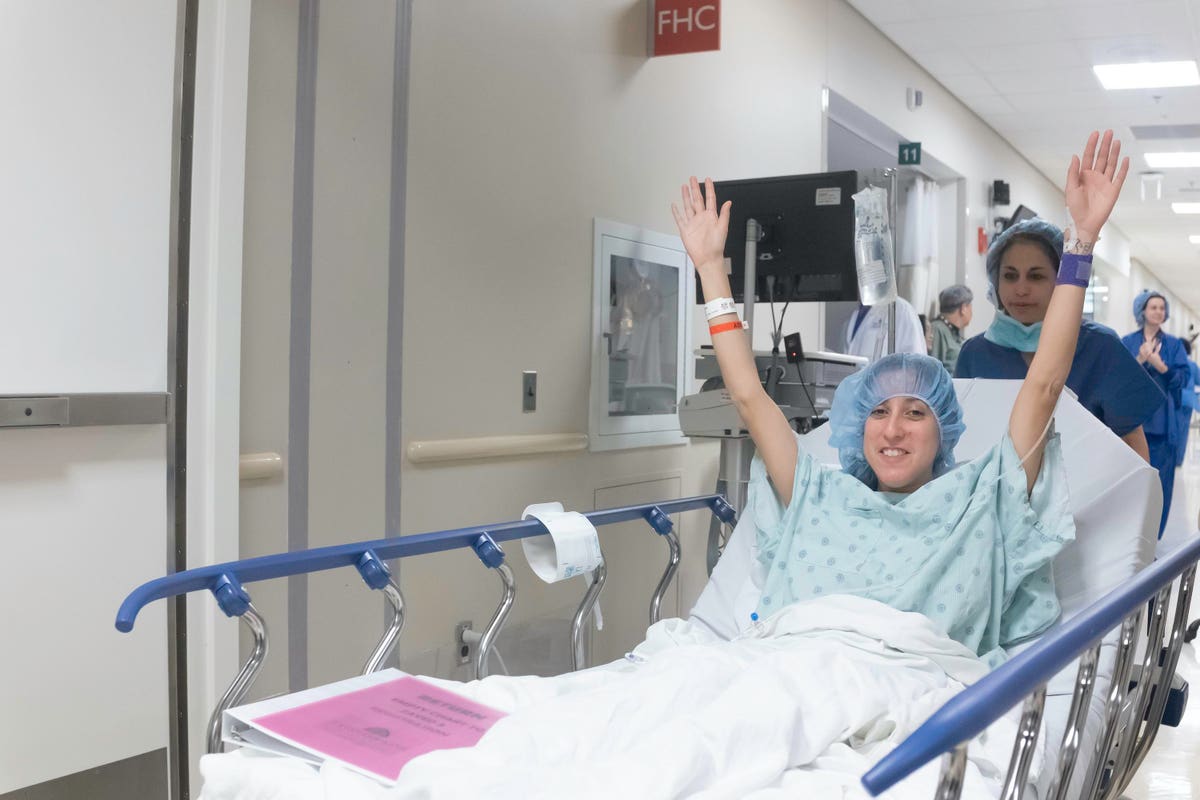
Nina Martinez, a 35-year-old public health and policy advocate and consultant, became the first HIV-positive living kidney donor in the US. She acquired HIV in early infancy through a transfusion. She explained that she had intended to direct her kidney donation to a friend, but that person died while waiting for all the required donor testing procedures.
Martinez then hoped to donate for ABO (blood type) incompatible transplants, but those fell through. Finally, she agreed to donate her kidney to a stranger, “honoring the original ask for a kidney” her friend had made. After losing a number of black friends who died from AIDS-related complications, Martinez concluded, donating to a stranger “doesn’t matter to me. It’s one less black person someone has to bury.”
The Lancet study raises questions about some current procedures. For example, in the US, PLWH must undergo a painful kidney biopsy before a transplant. Those without HIV do not need the pre-operative biopsy.
Also, transplants from HIV-positive donors can only happen under research protocols. Martinez notes there are only 30 approved centers now (mostly in the Northeast), and doing away with this requirement would open the transplant possibility to 250 sites. She added, “If you have to travel for it, I think it reduces the equity with which legalization was supposed to provide. I had to travel to Baltimore four times to donate and another five to finish the research. That’s a lot.” While some funds are provided for travel and expenses, lost wages for donors are not covered.
The success of living donor kidney transplant patients raises several questions, including whether living donor liver transplants should become more common. Unlike with kidneys, the liver will regenerate within a couple of weeks. There are only three centers in the US doing such HIV-positive liver transplants now; transportation can be a huge barrier to access.
Altruism
Speaking with Martinez, I was struck by how many studies she has volunteered for, including those requiring invasive procedures. She’s undergone muscle and lymph node biopsies, leukaphoresis (removing white blood cells), donated stool, spinal fluid, and blood for research, as well as her kidney for transplantation.
Asked about her motivation, Martinez notes that she wants to have a lasting impact, providing “data and the knowledge that will outlive me.” Representation is also very important to her, being Hispanic and a woman, both of whom are underrepresented in research studies. She notes that PLWH “just have a history of volunteerism that maybe the general population at large does not have.” She and others want to overcome the stigma and discrimination against HIV-positive people, and this is a major way of doing so.
Christine Durand, M.D., associate professor of medicine and medical director of the Johns Hopkins Transplant Research Center, noted about the first HIV-positive transplantation, “It challenges providers and the public to see HIV differently,” while advancing medicine.
“As patients waiting for a transplant see that we’re working with as many donors as possible to save as many lives as possible, we’re giving them hope. Every successful transplant shortens the waitlist for all patients, no matter their HIV status.”
“This new evidence is proof-of-concept that donating a kidney can be safe for people living with HIV,” Durand said. She concluded, “Having more organs available for HIV-to-HIV transplants helps everyone waiting on a transplant, regardless of HIV status, and could save hundreds of lives each year.”
Read the full article here