


Climate mitigation requires that we reduce fossil fuel use. This has been a two-step process. Climate policy first targeted coal, which is predominantly used to generate electricity. In the U.S., the shale revolution drastically reduced gas prices, which displaced coal in electricity generation, of course with regional variations. This transition inflicted pain on the coal industry and its supply chain. Due to the industry’s geographical concentration, the pushback was confined predominantly to coal-producing regions.
With coal in decline, at least in developed economies, the policy focus has shifted to oil, which is the main transportation fuel (natural gas used for heating is a target in some urban areas as well). Climate advocates are targeting the oil industry with legislative and legal strategies. In addition, advocacy groups such as “Just Stop Oil” and the “Extinction Rebellion” are vandalizing museums and disrupting sporting events to draw attention to the “oil issue”. Fossil Free Media, also a climate advocacy group, has purchased billboards on major American highways showing heat levels across the country with the message: “Brought to You by Big Oil.”
However, unlike coal, displacing oil will be politically difficult because oil and auto industries have big economic footprints, with geographically dispersed supply chains. This is probably why Biden has sent mixed messages on oil. As a presidential candidate, he pledged to ban drilling on public lands and waters. But in 2023, he approved Alaska’s ConocoPhillips’ Willow project. Moreover, in response to energy price increases due to Russia’s invasion of Ukraine, Biden urged the domestic oil industry to pump more oil, released oil from the Strategic Oil Reserve, and proposed to suspend the 18.4 cents per gallon federal gasoline tax. He was not alone in fearing high gas prices: California Governor Newsom proposed a direct payment to households of $400 per vehicle.
Or, consider the ongoing political drama in Washington state about high gas prices. Washington’s 2021 Climate Commitment Act introduced carbon pricing via cap and trade (calling it cap and invest). Carbon pricing is supposed to increase gas prices. This is the social cost of carbon thesis: fossil fuel users should pay the full cost of emissions. Almost in a textbook fashion, Washington state’s gas prices rose this summer and were among the highest in the country. Governor Jay Inslee insists that high gas prices are due to price gouging by oil companies, a surprising statement from a climate champion who refuses to acknowledge that carbon pricing is supposed to raise gas prices.
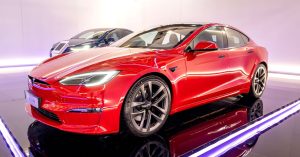
While coal was priced out by shale gas, oil has no such immediate competition. Raising oil prices via taxes is politically perilous, just ask Biden, Newsom, or Inslee. This is why climate advocates rely on non-market mechanisms, such as EV mandates, to displace oil. But this merely swaps the carbon pricing problem for the job loss problem in the auto industry. And this has drawn the United Auto Workers (UAW) into climate politics.
Labor Unions Oppose EVs
The U.S. auto industry employs over 3.3 million workers. Because EV manufacturing requires fewer workers per car, EV transition leads to job losses. This is why the EV issue is souring the relationship between President Biden and organized labor.
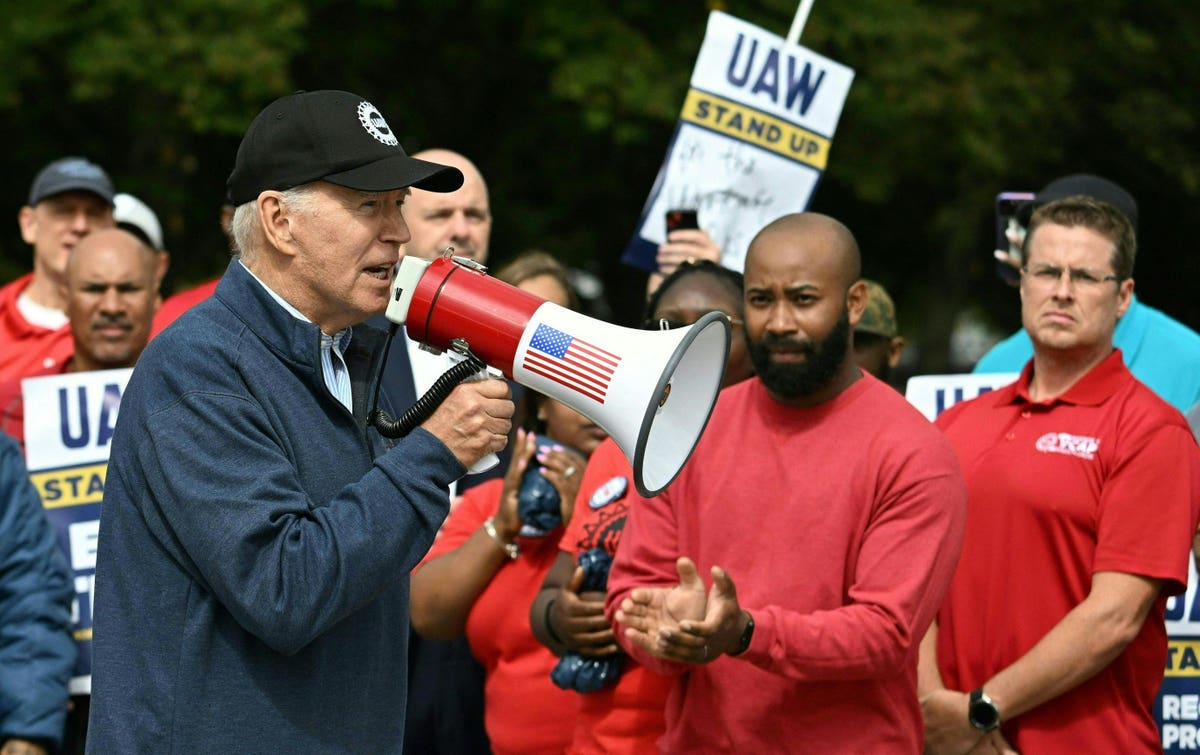
This rift poses a huge political problem and this is probably why Biden joined the UAW picket line in Michigan today. Apparently, this is the first time for a sitting President to do so.
Why this gesture? Midwestern states (and union households in these states) play an oversized role in U.S. Presidential politics. In 2016, Trump won Michigan, Pennsylvania, and Wisconsin because he shrank the lead Democrats historically have enjoyed among union households. Biden recovered some lost ground, securing a 16 % lead among union households (Hillary Clinton’s lead was 8%). He won most Midwestern states, but the UAW strike could cost him union support in 2024.
In his remarks today, Biden framed the strike as a class war issue. Grabbing a bullhorn, he told workers, “You’ve heard me say many times: Wall Street didn’t build this country. The middle class built this country. And unions built the middle class. That’s a fact. Let’s keep going. You deserve what you’ve earned, and you’ve earned a hell of a lot more than you get paid now.”
But striking workers will be hearing a different narrative from Donald Trump, who will be in Detroit tomorrow to address current and former union workers. Unlike Biden, who faces conflicting pressures on EVs from the UAW and climate advocates, Trump has an uncomplicated message: EVs are job killers. UAW President Shawn Fain who is otherwise critical of Trump, recently noted, “I have cautioned everybody in Washington DC that they better understand one thing – our workers’ experience right now with this EV transition is not a good thing … “So when somebody else comes along and says, ‘Get ready to watch your jobs disappear,’ that is gonna resonate.”
In sum, in relation to coal, moving away from oil will be politically more challenging. Coal was priced out by shale gas, but oil has no such competition. Increasing oil prices via taxes is politically difficult, so governments rely on EV mandates and subsidies. While subsidies might make EVs more affordable, they do not address UAW’s fundamental objection: EVs will lead to job losses.
The UAW strike is a reminder that climate policy creates winners and losers. The “win-win” climate rhetoric is not resonating among those who are at risk of losing their jobs. While the performative politics of walking the picket line has a purpose, it should not distract from the complicated issue of addressing economic disruption from decarbonization.
Read the full article here