


• Home
  • Startup
  • Money & Finance
  • Starting a Business
    • Branding
    • Business Ideas
    • Business Models
    • Business Plans
    • Fundraising
  • Growing a Business
  • More
    • Innovation
    • Leadership
Trending

Why Conversational Commerce is the Future of Shopping

May 29, 2025

10 Leadership Myths You Need to Stop Believing

May 29, 2025

Tesla’s Layoffs Won’t Solve Its Growing Pains

May 29, 2025
Facebook Twitter Instagram
  • Newsletter
  • Submit Articles
  • Privacy
  • Advertise
  • Contact
Facebook Twitter Instagram
InDirectica
  • Home
  • Startup
  • Money & Finance
  • Starting a Business
    • Branding
    • Business Ideas
    • Business Models
    • Business Plans
    • Fundraising
  • Growing a Business
  • More
    • Innovation
    • Leadership
Subscribe for Alerts
InDirectica
Home » Food From Fukushima : Restoring Trusts Using AgriTech
Innovation

Food From Fukushima : Restoring Trusts Using AgriTech

adminBy adminJuly 24, 20230 ViewsNo Comments3 Mins Read
Facebook Twitter Pinterest LinkedIn Tumblr Email

The European Union Commission announced during the EU-Japan Summit in July it is lifting the import restrictions for food following the nuclear accident that hit the Fukushima prefecture, in 2011.

A decade ago, a violent earthquake and subsequent tsunami caused the Japanese third-largest prefecture’s nuclear power plant to collapse, releasing radioactive material that polluted the nearby land area and parts of the Pacific Ocean.

With the memory of the Chernobyl disaster still in mind, the EU took measures to protect human health against possible radioactive contamination from food and feed imported from Japan.

According to an OECD’s report on the region from 2022, agricultural production values recovered 90.7% of pre-disaster levels. The region has been known for its premium rice production, aside of cumumber, apples, asparagus, peaches, pears and Anpogaki parsimmons, yet farmers had to fight against stigma over radioactivity to win back consumers’ trust. Until 2022, 14 countries and regions maintained import restrictions on Japanese food.

The thorough European Union’s pre-export testing of food products for radioactivity have been reviewed every other year, and progressively eased as risks declined.

Advancing Fukushima Food Tech

But the disaster was the catalyst for farmers and companies to experimented with sustainable agritech that prevented food produce to be potentially contaminated by natural resources.

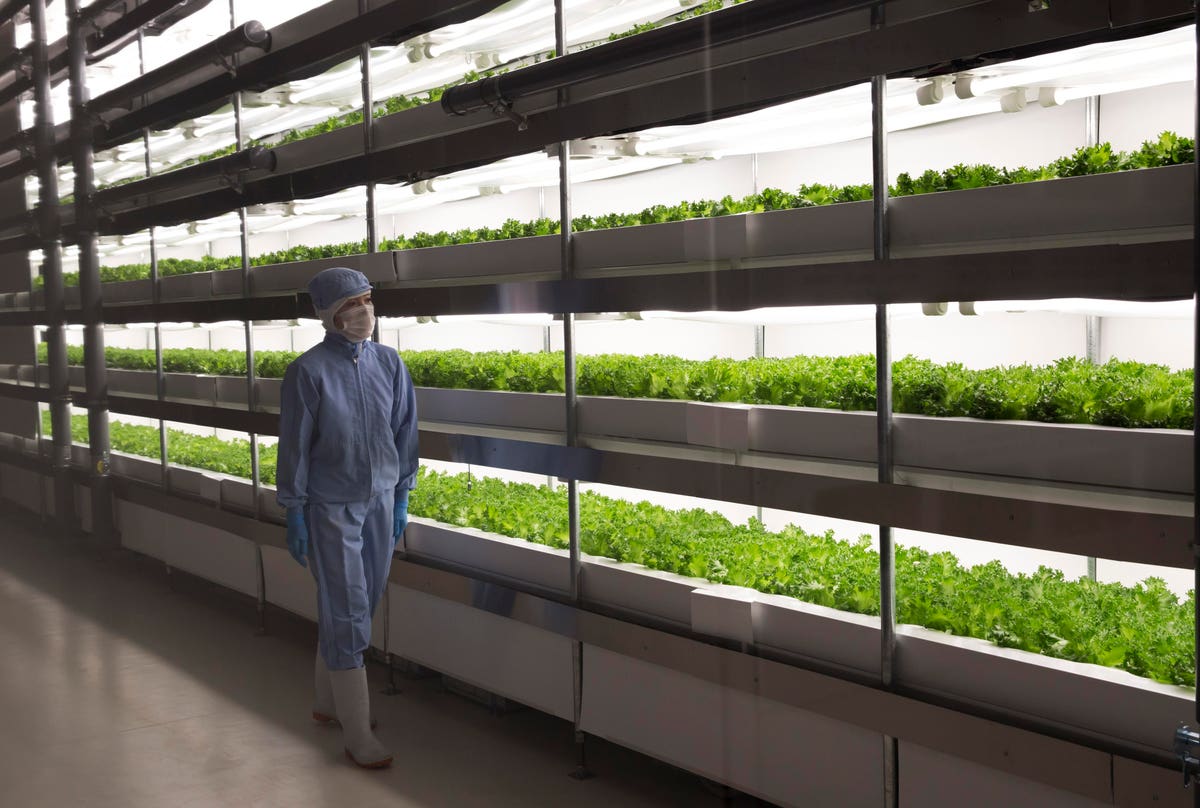
In the city of Minamisoma, local farmers responded to consumer fears of food grown in contaminated soil by experimenting with hydroponics.

The agritech start-up A-Plus, started building a vertical farm in the Fukushima prefecture to produce 20,000 lettuces a day. Similarly the company Mitsubishi Gas Chemical builded in 2020 a factory in northeastern Fukushima able to produce 32,000 heads of lettuce daily.

Water used for cultivation at vertical and hydropinic farms is reused after filtration and purification. About 98% of water is recycled, where around 0.83 liters is used to grow one head of lettuce.

Some farmers keept their organic production of rice and sake, using sustainable agroecology practices.

Food Tourism in Fukushima

The province sought to restore its reputation and revitalize the region by promoting its unique culinary heritage and local cuisine. By attracting tourists to the region, Fukushima aimed to stimulate economic growth and create opportunities for local farmers and food producers.

Support to local growers was showed by internationally acclaimed chef Harutomo Hagi who helped destigmatize Fukushima produce by serving locally-grown vegetables at his highly rated restaurant Hagi French Restaurant.

At the Iwaki City, the new-age Wonder Farm, a visitor center where greenhouses and a cutting-edge production system are used to grow local food and different varieties of tomato without using land, visitors can come pick themselves tomatoes and regain trust in the food stuff farmed.

Read the full article here

Share. Facebook Twitter Pinterest LinkedIn Tumblr Email

Related Articles

Going Eco Benefits Planet And This Hotel’s Bottom Line

Innovation May 29, 2025

What IBM’s Deal For HashiCorp Means For The Cloud Infra Battle

Innovation April 25, 2024

Is Telepathy Possible? Perhaps, Due To New Technology

Innovation April 24, 2024

Luminar Launches Production For Volvo, Shows Next-Gen Halo Lidar

Innovation April 23, 2024

Turning Customers Into Investors – Tiny Health’s Experience

Innovation April 22, 2024

Netflix’s Best New Original Series Is Stressing Me Out

Innovation April 21, 2024
Add A Comment

Leave A Reply Cancel Reply

Editors Picks

Why Conversational Commerce is the Future of Shopping

May 29, 2025

10 Leadership Myths You Need to Stop Believing

May 29, 2025

Tesla’s Layoffs Won’t Solve Its Growing Pains

May 29, 2025

Going Eco Benefits Planet And This Hotel’s Bottom Line

May 29, 2025

What IBM’s Deal For HashiCorp Means For The Cloud Infra Battle

April 25, 2024

Latest Posts

The Future of Football Comes Down to These Two Words, Says This CEO

April 25, 2024

This Side Hustle Is Helping Land-Owners Earn Up to $60,000 a Year

April 25, 2024

A Wave of AI Tools Is Set to Transform Work Meetings

April 25, 2024

Is Telepathy Possible? Perhaps, Due To New Technology

April 24, 2024

How to Control the Way People Think About You

April 24, 2024
Advertisement
Demo

InDirectica is your one-stop website for the latest news and updates about how to start a business, follow us now to get the news that matters to you.

Facebook Twitter Instagram Pinterest YouTube
Sections
  • Growing a Business
  • Innovation
  • Leadership
  • Money & Finance
  • Starting a Business
Trending Topics
  • Branding
  • Business Ideas
  • Business Models
  • Business Plans
  • Fundraising

Subscribe to Updates

Get the latest business and startup news and updates directly to your inbox.

© 2026 InDirectica. All Rights Reserved.
  • Privacy Policy
  • Terms of use
  • Press Release
  • Advertise
  • Contact

Type above and press Enter to search. Press Esc to cancel.