


• Home
  • Startup
  • Money & Finance
  • Starting a Business
    • Branding
    • Business Ideas
    • Business Models
    • Business Plans
    • Fundraising
  • Growing a Business
  • More
    • Innovation
    • Leadership
Trending

Why Conversational Commerce is the Future of Shopping

May 29, 2025

10 Leadership Myths You Need to Stop Believing

May 29, 2025

Tesla’s Layoffs Won’t Solve Its Growing Pains

May 29, 2025
Facebook Twitter Instagram
  • Newsletter
  • Submit Articles
  • Privacy
  • Advertise
  • Contact
Facebook Twitter Instagram
InDirectica
  • Home
  • Startup
  • Money & Finance
  • Starting a Business
    • Branding
    • Business Ideas
    • Business Models
    • Business Plans
    • Fundraising
  • Growing a Business
  • More
    • Innovation
    • Leadership
Subscribe for Alerts
InDirectica
Home » How Deep Is The Titanic?
Innovation

How Deep Is The Titanic?

adminBy adminJune 22, 20230 ViewsNo Comments3 Mins Read
Facebook Twitter Pinterest LinkedIn Tumblr Email

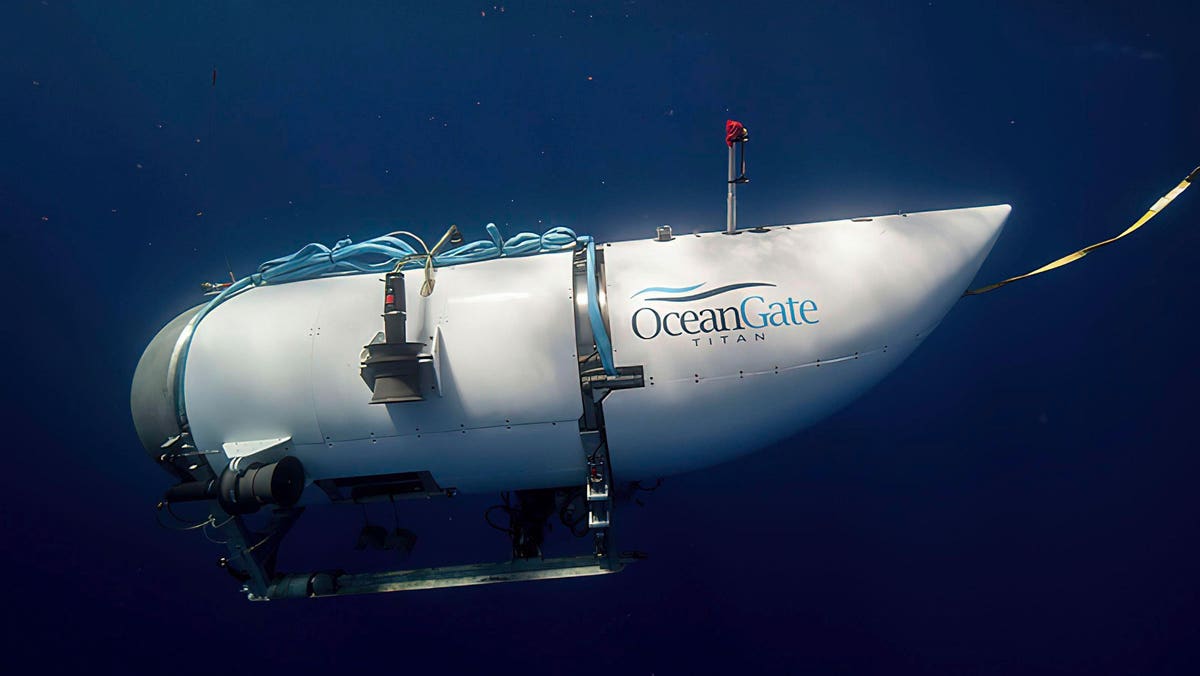
As I write this, the search for the missing Titan submersible is ongoing. I am still prayerful that it will be found and that there will be a happy ending. The story has captured the attention of the world, and many questions have been raised about why it is so difficult to find it. While the answer to that question is very complex, the sheer depth and pressure are clear challenges. Watching conversations in the broader public, it is evident that the many people do not have a full grasp of just how deep the Titanic is resting. From my scientific vantagepoint, I decided to offer some meteorological perspective to help frame the depths.

The Titanic is sitting at a depth of near 13,000 feet (3900 meters). If you think in miles, that is just under 2.5 miles. According to skydiving experts, the average altitude for jumps is betweetn 10,000 and 14,000 feet. As you see from the graphic above, many commercial airlines fly at altitudes of roughly 6 to 8 miles high in the troposphere. In the atmosphere, pressure typically decreases with increasing altitude. This is because the air is less dense at higher altitudes and elevations (the proper term on land). If you have ever traveled from a point near sea level to Denver, Colorado, you probably understand this fact. The average air pressure at sea level is around 1013 millibars, which is the metric called an atmosphere (atm).

Most people are familiar with clouds so lets use them to offer more meteorological perspective on the depth of the wreckage. The base of many of the “middle level” clouds like altocumulus or altostratus are found between 6,500 and 20,000 feet. At these altitudes, the clouds may contain water droplets, ice crystals, or even supercooled droplets below freezing but still in a liquid state. A powerful thunderstorm or cumulonimbus cloud can extend almost the entire depth of the troposphere.

Many people are probably familiar with mountains such as Grand Teton in Wyoming or Mauna Kea in Hawaii. They both peak at around 13,700 feet. A typical atmospheric pressure at that elevation is likely around 600 to 610 millibars. Pressure also changes as we descend to greater depths in the ocean. The National Oceanic and Atmospheric Administration (NOAA) website puts it in an understanbable framing. It notes, “At sea level, the air that surrounds us presses down on our bodies at 14.7 pounds per square inch. You don’t feel it because the fluids in your body are pushing outward with the same force.” Things change as you descend into the ocean.

To understand why, I must define hydrostatic pressure – the force per unit area exerted by a fluid on objects. The NOAA Ocean Services website goes on to say, “The deeper you go under the sea, the greater the pressure of the water pushing down on you….every thirty three feet you go down, the pressure increases by one atmosphere.” According to Sophie Bushwick writing in Scientific American, the pressure at the depth of the Titanic is approximately three hundred seventy give atmopheres.

Read the full article here

Share. Facebook Twitter Pinterest LinkedIn Tumblr Email

Related Articles

Going Eco Benefits Planet And This Hotel’s Bottom Line

Innovation May 29, 2025

What IBM’s Deal For HashiCorp Means For The Cloud Infra Battle

Innovation April 25, 2024

Is Telepathy Possible? Perhaps, Due To New Technology

Innovation April 24, 2024

Luminar Launches Production For Volvo, Shows Next-Gen Halo Lidar

Innovation April 23, 2024

Turning Customers Into Investors – Tiny Health’s Experience

Innovation April 22, 2024

Netflix’s Best New Original Series Is Stressing Me Out

Innovation April 21, 2024
Add A Comment

Leave A Reply Cancel Reply

Editors Picks

Why Conversational Commerce is the Future of Shopping

May 29, 2025

10 Leadership Myths You Need to Stop Believing

May 29, 2025

Tesla’s Layoffs Won’t Solve Its Growing Pains

May 29, 2025

Going Eco Benefits Planet And This Hotel’s Bottom Line

May 29, 2025

What IBM’s Deal For HashiCorp Means For The Cloud Infra Battle

April 25, 2024

Latest Posts

The Future of Football Comes Down to These Two Words, Says This CEO

April 25, 2024

This Side Hustle Is Helping Land-Owners Earn Up to $60,000 a Year

April 25, 2024

A Wave of AI Tools Is Set to Transform Work Meetings

April 25, 2024

Is Telepathy Possible? Perhaps, Due To New Technology

April 24, 2024

How to Control the Way People Think About You

April 24, 2024
Advertisement
Demo

InDirectica is your one-stop website for the latest news and updates about how to start a business, follow us now to get the news that matters to you.

Facebook Twitter Instagram Pinterest YouTube
Sections
  • Growing a Business
  • Innovation
  • Leadership
  • Money & Finance
  • Starting a Business
Trending Topics
  • Branding
  • Business Ideas
  • Business Models
  • Business Plans
  • Fundraising

Subscribe to Updates

Get the latest business and startup news and updates directly to your inbox.

© 2026 InDirectica. All Rights Reserved.
  • Privacy Policy
  • Terms of use
  • Press Release
  • Advertise
  • Contact

Type above and press Enter to search. Press Esc to cancel.