


Edward Tuorinsky, Managing Principal of DTS, brings two decades of experience in management consulting and information technology services.
You might have read that remote work is dead. A report from the U.S. Bureau of Labor Statistics shows a major drop in the number of companies allowing employees to telework. However, observational data suggests that remote work is alive and well, but it is being challenged by leaders whose on-the-job experience is based on decades of work in an office setting. We are creatures of habit, after all. If you are among those wishing for―or requiring―a return to the office, consider that other solutions can address the “where to work” question while meeting employee desires.
What do employees actually want? The pandemic has left the workforce changed. Employees hold more power thanks to larger-than-expected numbers dropping out of the workforce, including early retirees and working mothers, leading to a labor crunch that crosses all industries and levels. So, what is it that the workforce wants to do with that power? At the heart of some (outrageous) demands and some (very reasonable) requests is flexibility. When offered, almost 90% of employees take the opportunity to work flexibly, and in some industries, they demand it, according to McKinsey.
Essentially, employees want to be able to balance work and life better. To not burn a vacation day while sitting home waiting for the cable company to show up. To come in an hour early in order to better manage a child pick up from summer camp. To live outside of a pricy urban location and only head to the office when in-person meetings are required. These situations, and many more, are common and complex for managers who must consider productivity, collaboration and culture as they think about flexible policies.
The solution for meeting the needs of employees and employers requires compromise. Rather than killing off remote work, consider making five changes within your organization:
1. Create environments for success.
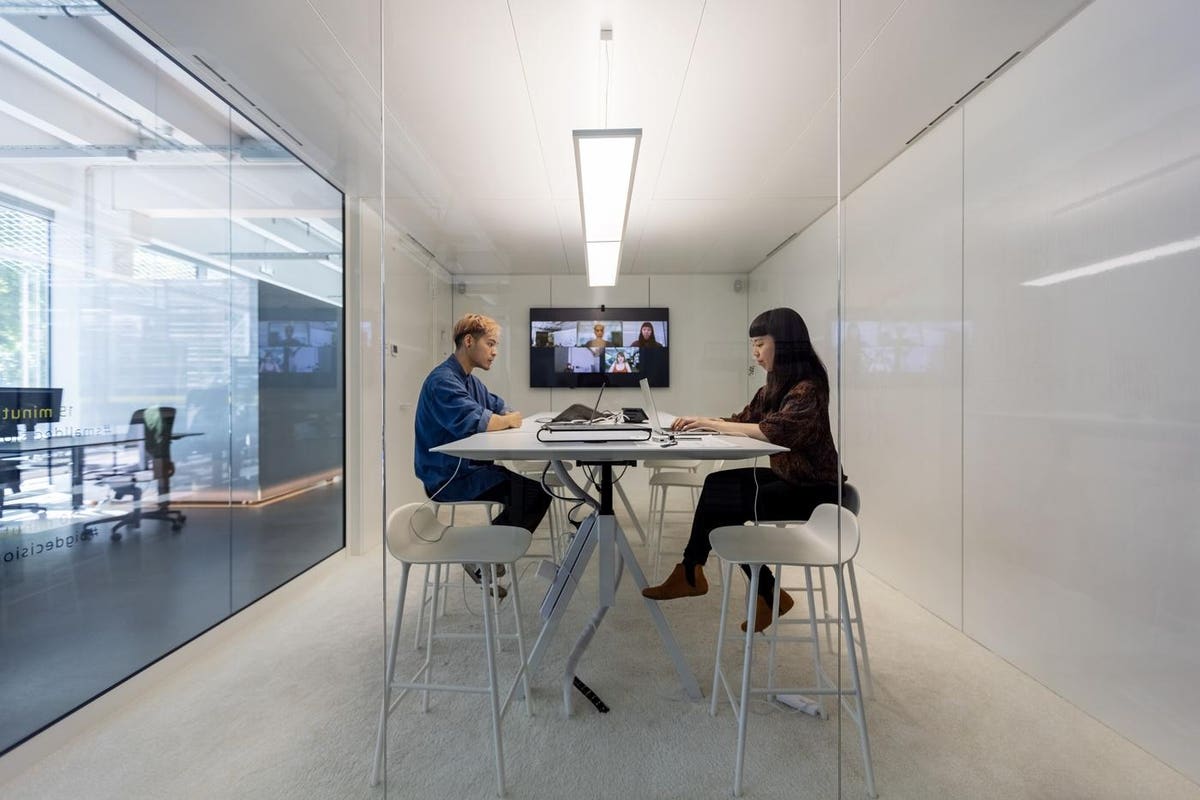
Real productivity happens when employees are surrounded by the resources they need to get the job done and the people they need to work with. That doesn’t mean, however, that the resources and the people need to be on the seventh floor of a building in an office park. Though managers might be nostalgic for all in-person work experiences, the office days of the past didn’t produce a workforce that was engaged and productive from 9 to 5 each day. Water cooler loitering, doom scrolling on social media apps and desk naps are also the reality for butts-in-seats policies that don’t consider modern work cycles or deliverables. Employers are wise to consider the best environment for the results that matter most and create those conditions using technology where they can, as well as use in-office work when it really counts. It doesn’t make sense to tell employees to come in just to have them retreat to individual offices, don headphones and jump on video calls.
2. Establish strong cultural norms.
Your long-tenure employees share values, goals and standard operating procedures. Where do these cultural norms begin? If you’re doing it right, they begin at onboarding. Focusing efforts on an initial and/or formalized program to help employees learn about the company―not just how to enter their time and where to find office supplies―can pay dividends. By thinking strategically about your culture, you can help shape your employee experience. Even veteran hires benefit from a review of the basics with pointers on your “way” of doing things, especially around expectations for communication, collaboration and productivity. Sharing these nuances―like specifically how to write up a sale, run a client meeting or plan a project―often contain more than just instructions. They pass along knowledge about your culture and how to be valued and part of the team.
3. Personalize the employee experience.
Managing employees is no longer a one-size-fits-all experience. In today’s business climate and talent war, we value people for their unique abilities and their diverse perspectives, so slapping some policies in a handbook and calling it a day is short-sighted.
Employers have the opportunity to use policies to nurture, motivate and reward their employees as individuals. The shift in mindset, detailed in a recent Forbes article, puts more emphasis on helping each contributor reach their talent potential and gaining something meaningful from their work experience.
Quiet quitting, coasting, and mediocracy are all signs that companies have failed to personalize the employee experience or even consider it all.
4. Manage by coaching.
The coaching approach to management can provide the direction employees need. Coaches explain what success looks like and tailor best practices, tips and examples for each employee—understanding individual skill sets and personalizing management.
An employee who routinely doesn’t hit milestones and delays asking for help might be a good candidate to work in the office with a manager nearby to help coach up the skills needed to be more self-sufficient. One looking for a promotion could benefit from pre-meeting strategy sessions and post-meeting feedback.
Importantly, employees who are coached often show increases in soft skills, engagement and job satisfaction, a trend backed by research out of Gallup and Marquette University. The time and attention are seen as beneficial, regardless of how—or where—it’s given.
5. Keep score with results.
Billable hours are a reality for some companies, however, every business leader knows that sometimes you just need to get stuff done. That effort and those results might stretch into the evening or fall on a weekend or make for a crazy busy month. If you’re asking employees to be flexible enough to accommodate special needs, then I believe you’ve got to extend the same courtesy to their lives. More importantly, you need to make sure that you are measuring success with the right metrics: results. An enlightened view of employee contributions keeps track of deliverables, contributions and effort rather than hours in an office. It also adjusts goals and expectations (and rewards) based on what each person is capable of doing.
Dismissing remote and hybrid work means missing out on a moment in business evolution and the opportunity to use flexibility as an employee benefit. Solving the “place problem” might come down to transforming workforce management and not having a place at all.
Forbes Business Council is the foremost growth and networking organization for business owners and leaders. Do I qualify?
Read the full article here